×

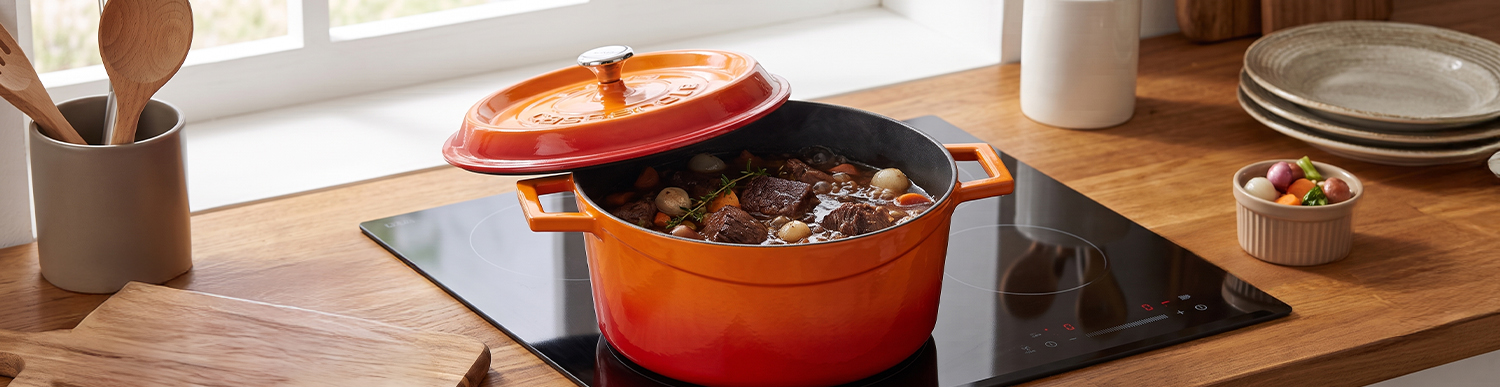
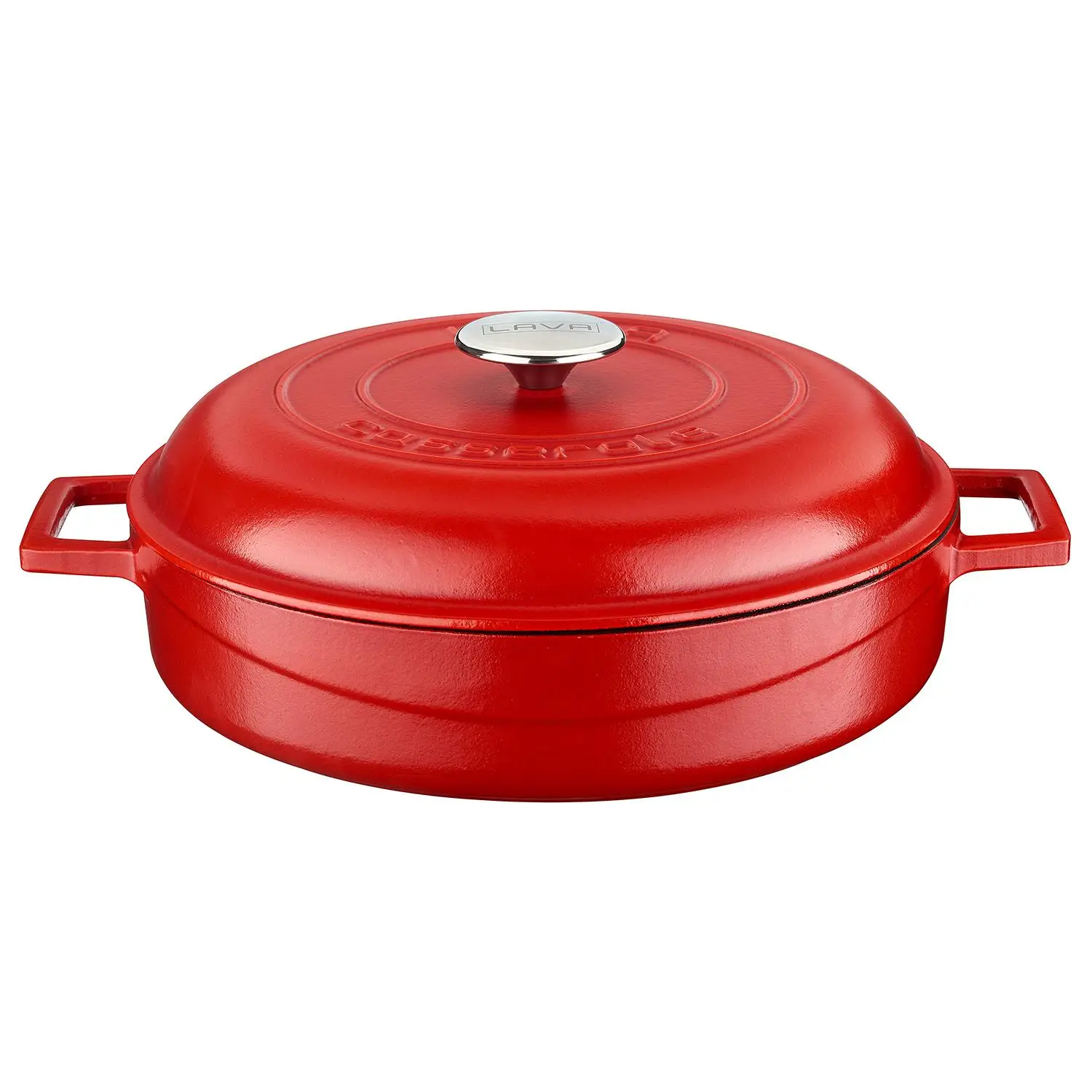
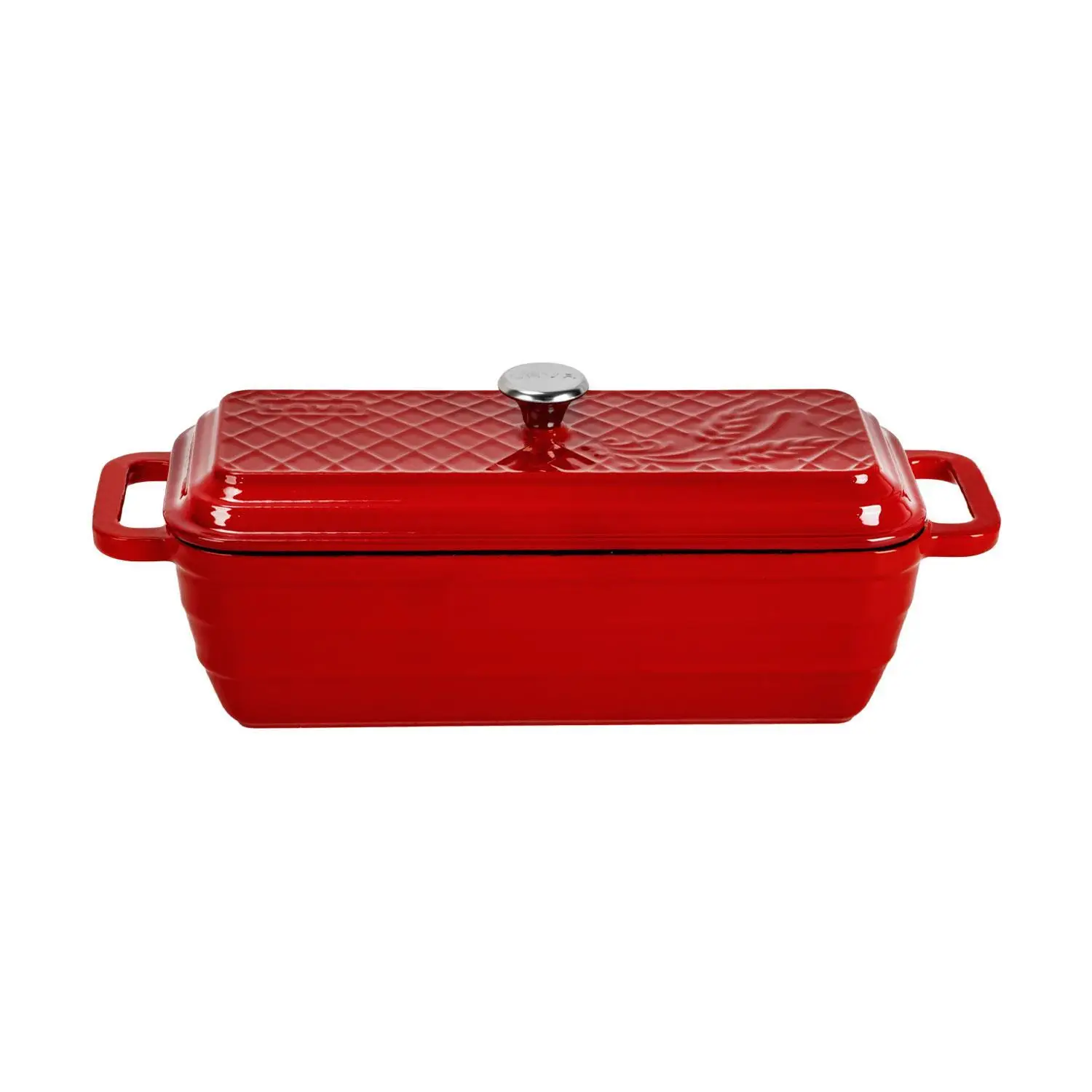
Slow cooking and braising are professional cooking techniques based on cooking food at a low temperature over an extended period. In both methods, the cookware plays a vital role by distributing heat evenly and retaining it for long periods. Enamelled cast iron casseroles provide reliable cooking performance for both professional kitchens and home cooks thanks to their even heat distribution, moisture retention, and ability to go from oven to table with ease.
Reading Time
8 minutes
In professional kitchens, many recipes rely on controlled, slow cooking rather than high heat.
Slow cooking is particularly valued for helping meat become tender while preserving its natural texture, enhancing the flavour of vegetables, and allowing sauces to develop greater depth and balance.
One of the best-known techniques is braising—searing ingredients first before slowly cooking them in a small amount of liquid. It is one of the most widely used professional cooking methods around the world.
Both techniques share one essential requirement: the right cookware.
This is where casseroles stand out.
Achieving successful results with slow cooking and braising largely depends on proper temperature management. Therefore, The Importance of Heat Control in Casserole Cooking is considered one of the fundamental aspects of these cooking techniques.
Slow cooking is much more than simply cooking at a low temperature.
For consistently successful results, the cookware should:
distribute heat evenly
minimise sudden temperature fluctuations
maintain a stable cooking temperature over time
retain steam and moisture efficiently
be suitable for oven use
For this reason, professional kitchens carefully select cookware according to the cooking technique being used.
Braising is a two-stage cooking method.
First, meat or vegetables are quickly seared over high heat.
A small amount of liquid is then added before the ingredients are cooked slowly at a low temperature.
The objectives throughout this process are to:
tenderise the fibres
allow flavours to develop and combine
encourage the sauce to reduce naturally
prevent the ingredients from drying out
Maintaining a consistent cooking temperature inside the casserole is therefore essential.
Enamelled cast iron casseroles offer excellent heat retention, helping create a stable cooking environment over long periods.
This makes them particularly suitable for:
slow-cooked meat dishes
stocks and bone broths
vegetable recipes
pulse dishes
one-pot meals
Their lidded design also helps circulate moisture during cooking, allowing ingredients to retain more of their natural juices and flavour.
Professional cookware should offer not only excellent cooking performance but also everyday practicality.
Enamelled cast iron casseroles provide several important advantages.
The cast iron body distributes heat evenly across the cooking surface, helping reduce temperature variations throughout cooking.
They continue to retain heat after being removed from the hob or oven.
This is particularly beneficial when serving food.
Thanks to the enamelled surface, they do not require the seasoning process associated with raw cast iron cookware.
With proper care and maintenance, they can provide many years of reliable use.
Many casserole models are suitable for use on:
gas and electric hobs
induction hobs
in the oven
This versatility can reduce the need to switch cookware during professional cooking.
Tips for presenting oven-cooked dishes from the oven straight to the table are covered in the article From Oven to Table: Casserole Presentation.
Slow cooking techniques are widely used across many cuisines.
Popular examples include:
beef stew
lamb shanks
beef short ribs
vegetable casseroles
pulse dishes
braised short ribs
bone broth recipes
long-simmered sauces
The emphasis is on controlled cooking rather than high temperatures.
Slow cooking is not limited to restaurant kitchens.
Home cooks can also apply these methods to everything from weekend one-pot meals to wholesome vegetable dishes.
Recipes that are not constrained by time can benefit from slow cooking through:
richer flavour
improved texture
greater cooking control
a more enjoyable dining experience
The following features can help improve slow-cooking performance.
| Feature | Benefit |
|---|---|
| Enamelled cast iron body | Promotes even heat distribution |
| Heavy lid | Helps retain moisture inside the casserole |
| Oven compatibility | Supports a variety of cooking techniques |
| Ergonomic handles | Provides safe and comfortable handling |
| Suitable capacity | Makes it easier to cook different recipe quantities |
Slow cooking and braising are professional techniques that require patience but reward it with exceptional flavour and texture. The cookware used influences not only the cooking process itself but also heat management, flavour development, and serving quality.
Enamelled cast iron casseroles offer reliable support for these cooking methods through their even heat distribution, excellent heat retention, and versatile performance, making them an excellent choice for both professional chefs and home cooks.
No. Braising involves first searing ingredients over high heat before cooking them slowly in a small amount of liquid. Slow cooking is a broader term that includes a variety of low-temperature cooking techniques.
Casseroles help distribute heat evenly and retain it for extended periods. This supports more consistent results when preparing recipes that require controlled cooking.
Yes. Thanks to their excellent heat retention and lidded construction, enamelled cast iron casseroles are ideal for braising.
Beef stew, lamb shanks, vegetable casseroles, pulse dishes, bone broth recipes, and one-pot meals are among the dishes most commonly prepared using slow-cooking techniques.
No. Depending on the model, enamelled cast iron casseroles can be used on gas and electric hobs, induction hobs, as well as in the oven.
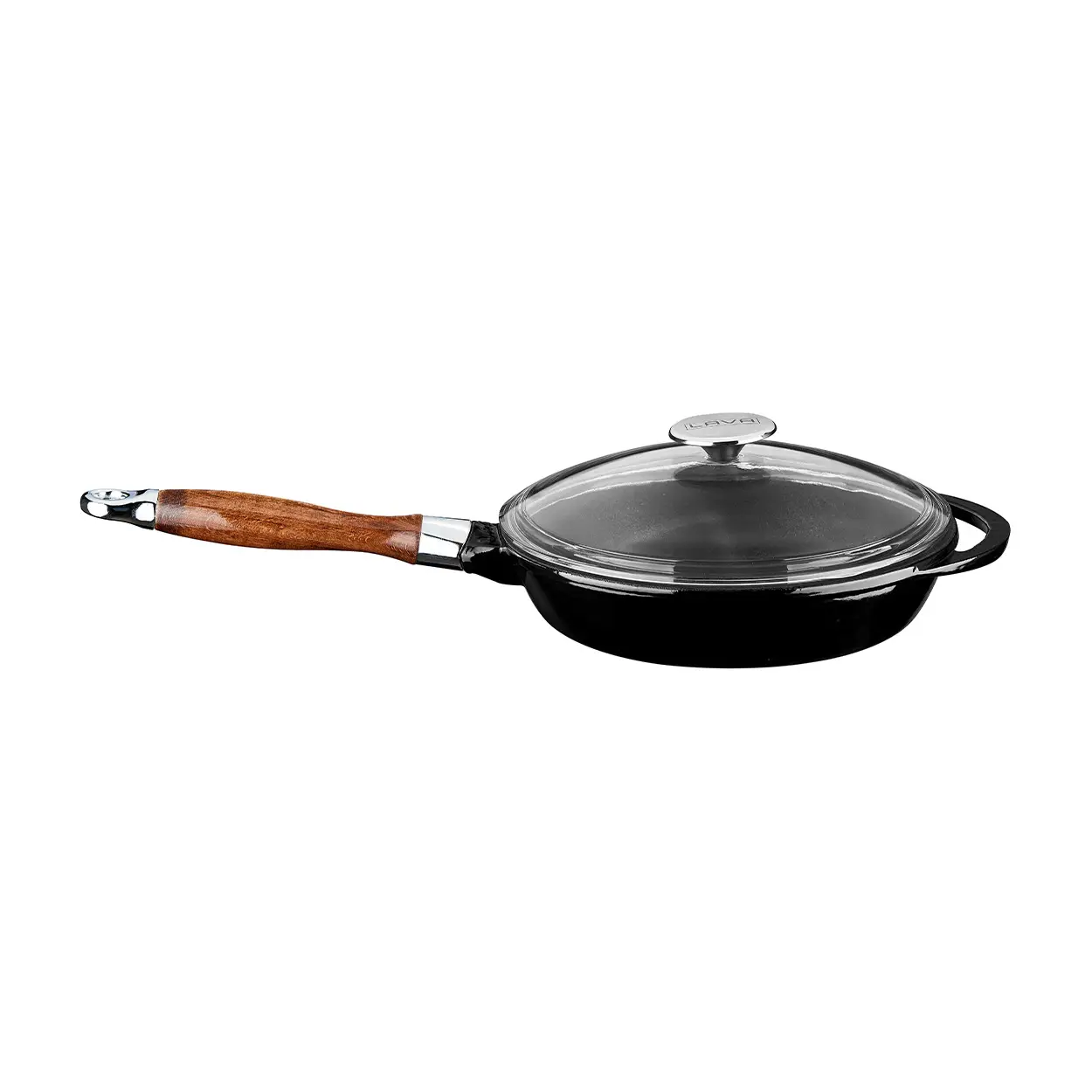
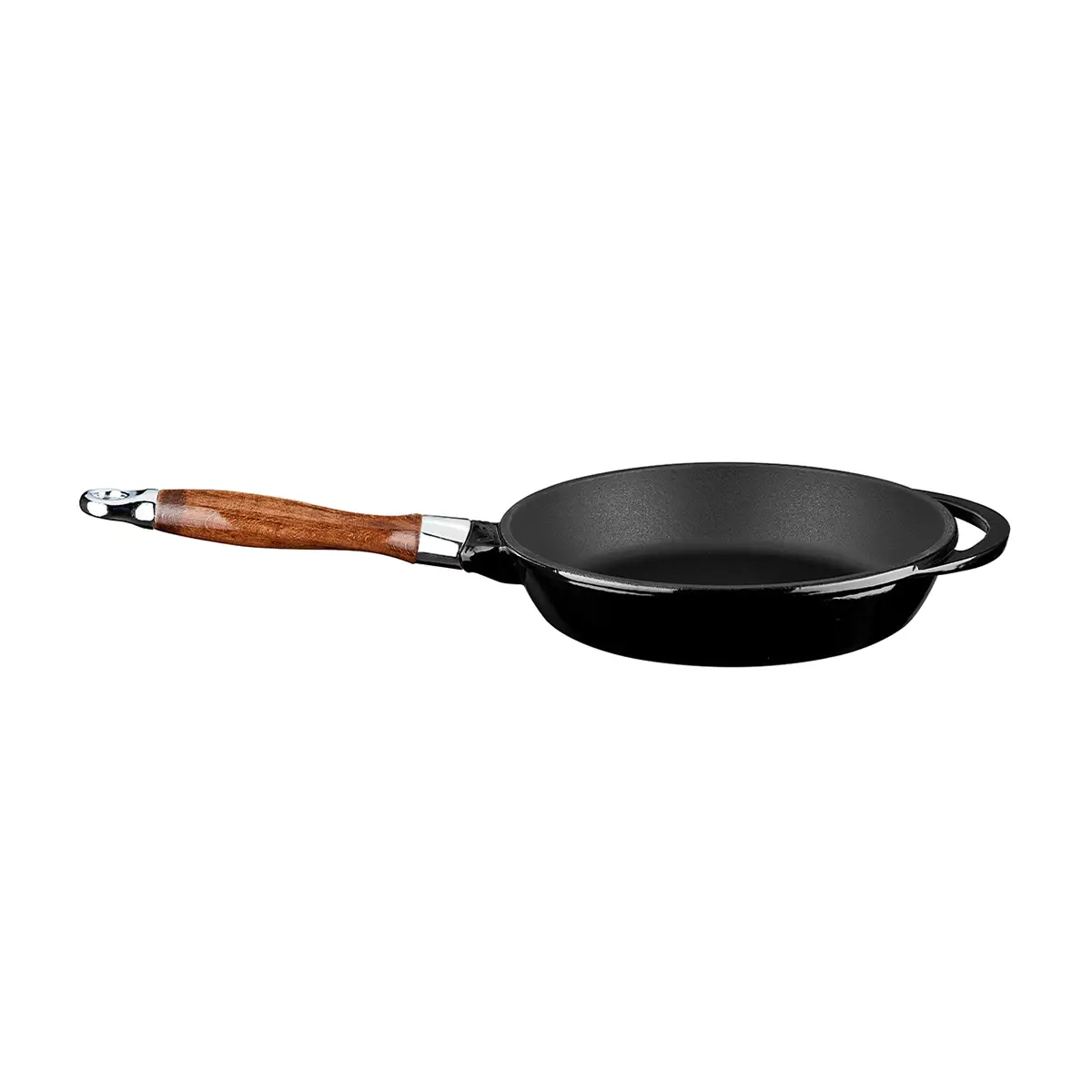
30.07.2026Lava Cast Iron Round Heritage Series Frying Pan. Glass Lid, Dia. Ø 28cm.








Lava Metal Döküm San. ve Tic. A.Ş. © 2026 All Rights Reserved.

0
)