×

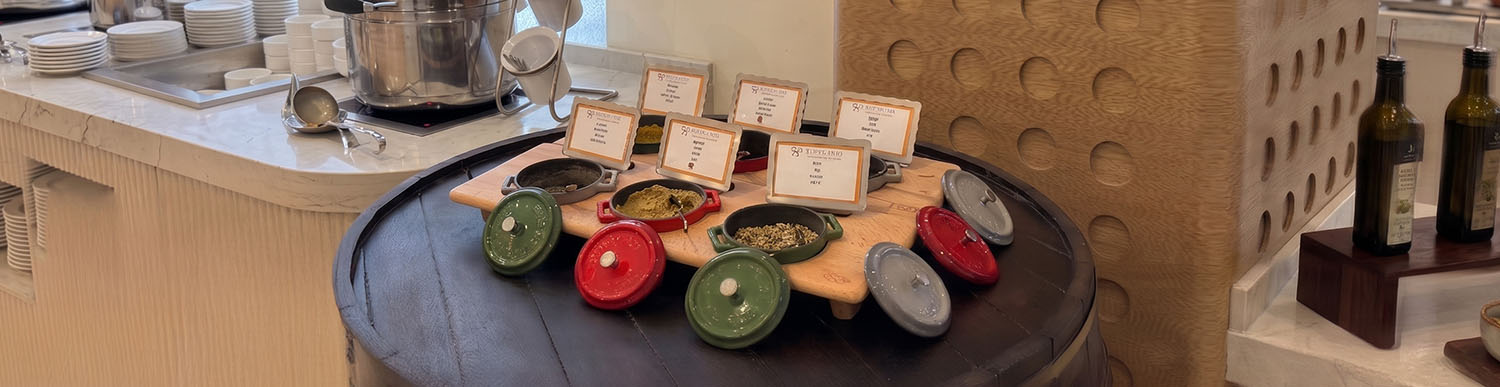
Choosing the right casserole affects not only cooking performance but also a restaurant's operational efficiency, equipment lifespan, and service quality. This guide explains in detail the material structure, thermal performance, capacity, durability, and long-term investment criteria that must be considered when selecting a casserole for professional kitchens.
Reading Time: 8 minutes
Every piece of equipment used in professional kitchens is an integral part of the culinary operation. Particularly in restaurants operating at a hectic pace throughout the day, the preferred cooking equipment plays a critical role not just for food preparation, but also in terms of speed, quality, cost control, and service standards.
Therefore, restaurant equipment selection should not be evaluated merely as a price-oriented procurement process. The right choice of casserole can provide more balanced cooking, a longer equipment lifespan, reduced maintenance needs, and more efficient kitchen operations.
For professional chefs and purchasing managers, the priority is not simply meeting today's needs, but investing in equipment that will deliver high performance for many years to come.
Casserole dishes are one of the core pieces of equipment for daily production in many professional kitchens.
The primary reasons for this include:
Their ability to retain heat for extended periods
Providing balanced heat distribution
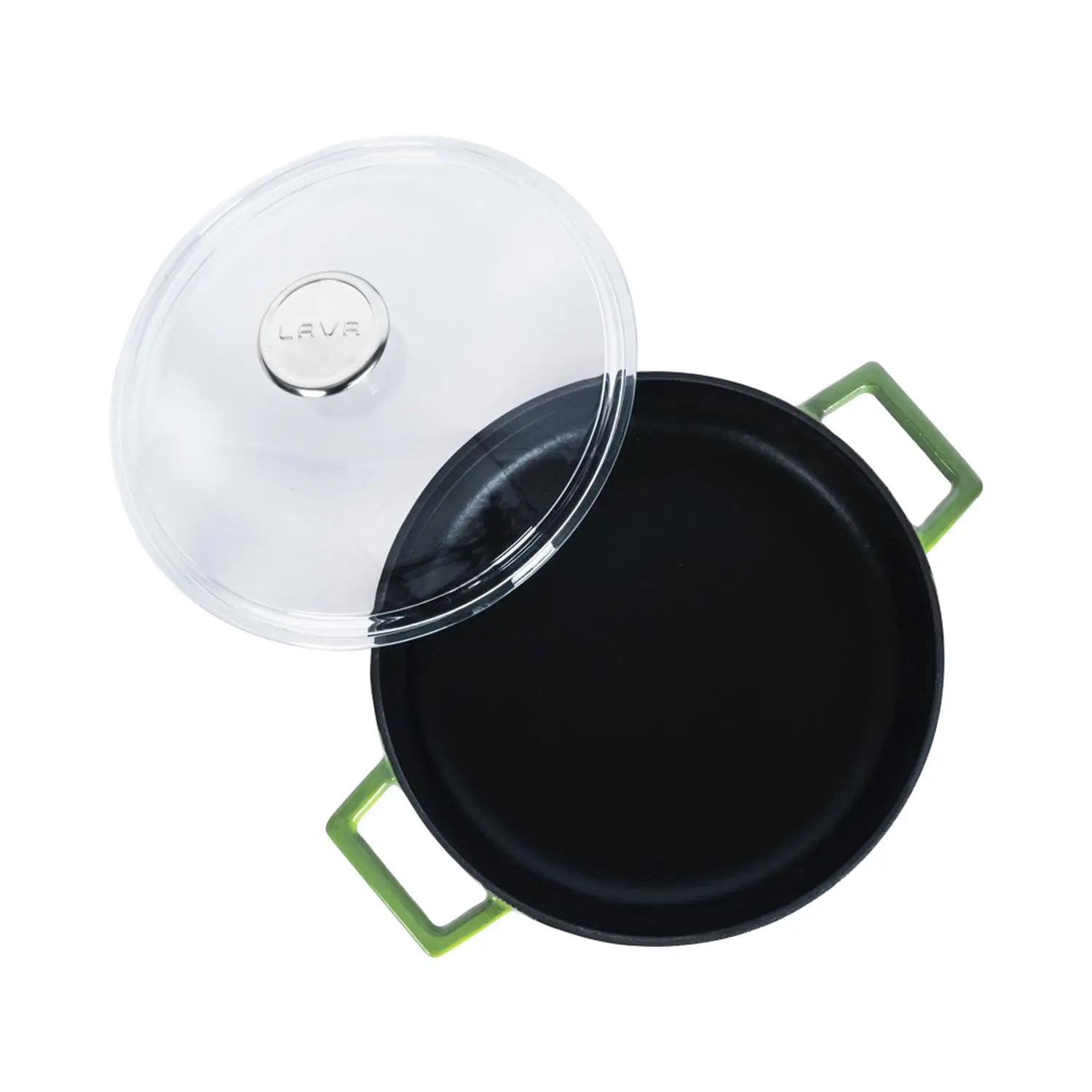
Offering seamless transition between the hob and the oven
Suitability for large-portion production
Contributing to table service presentation
Offering a long-lasting service life
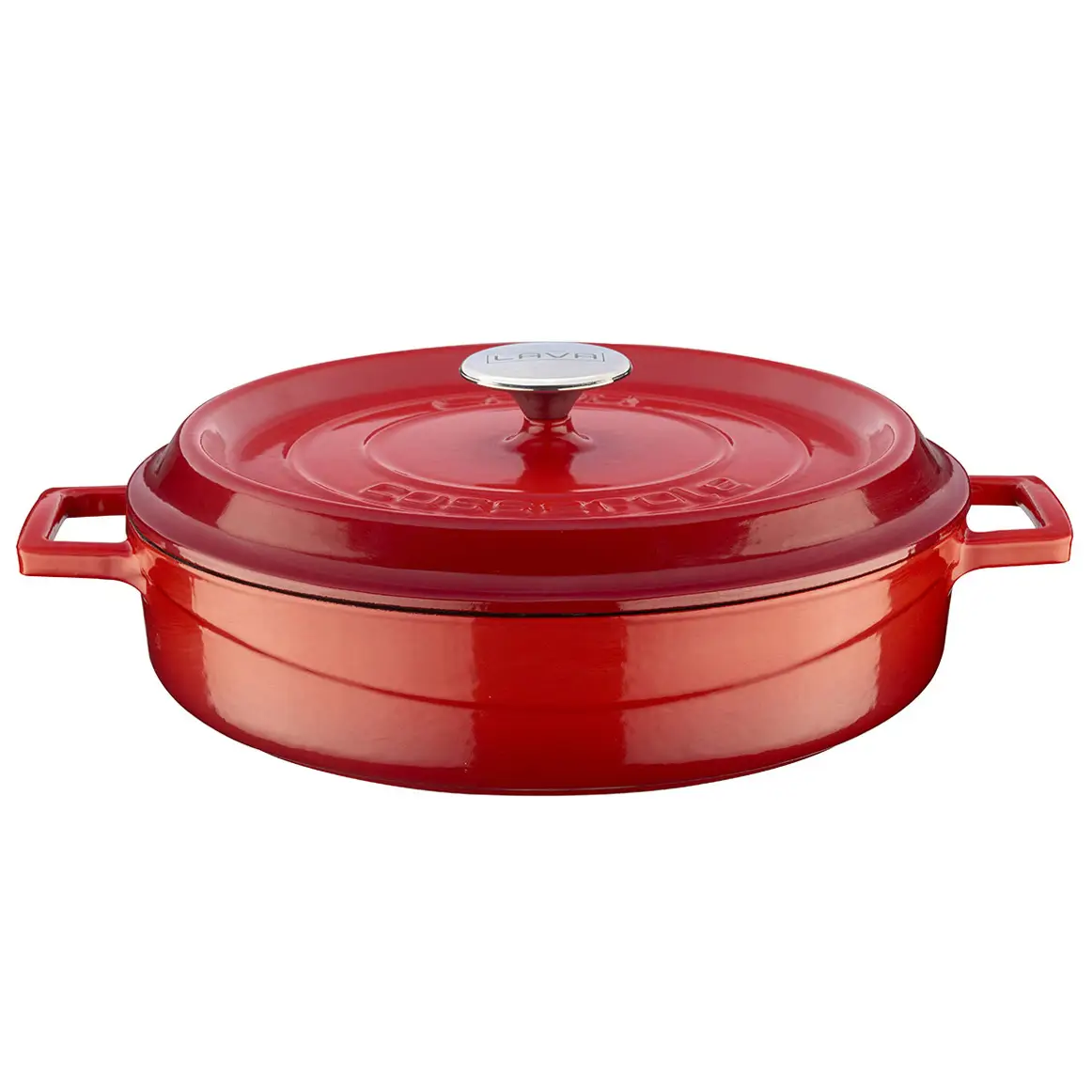
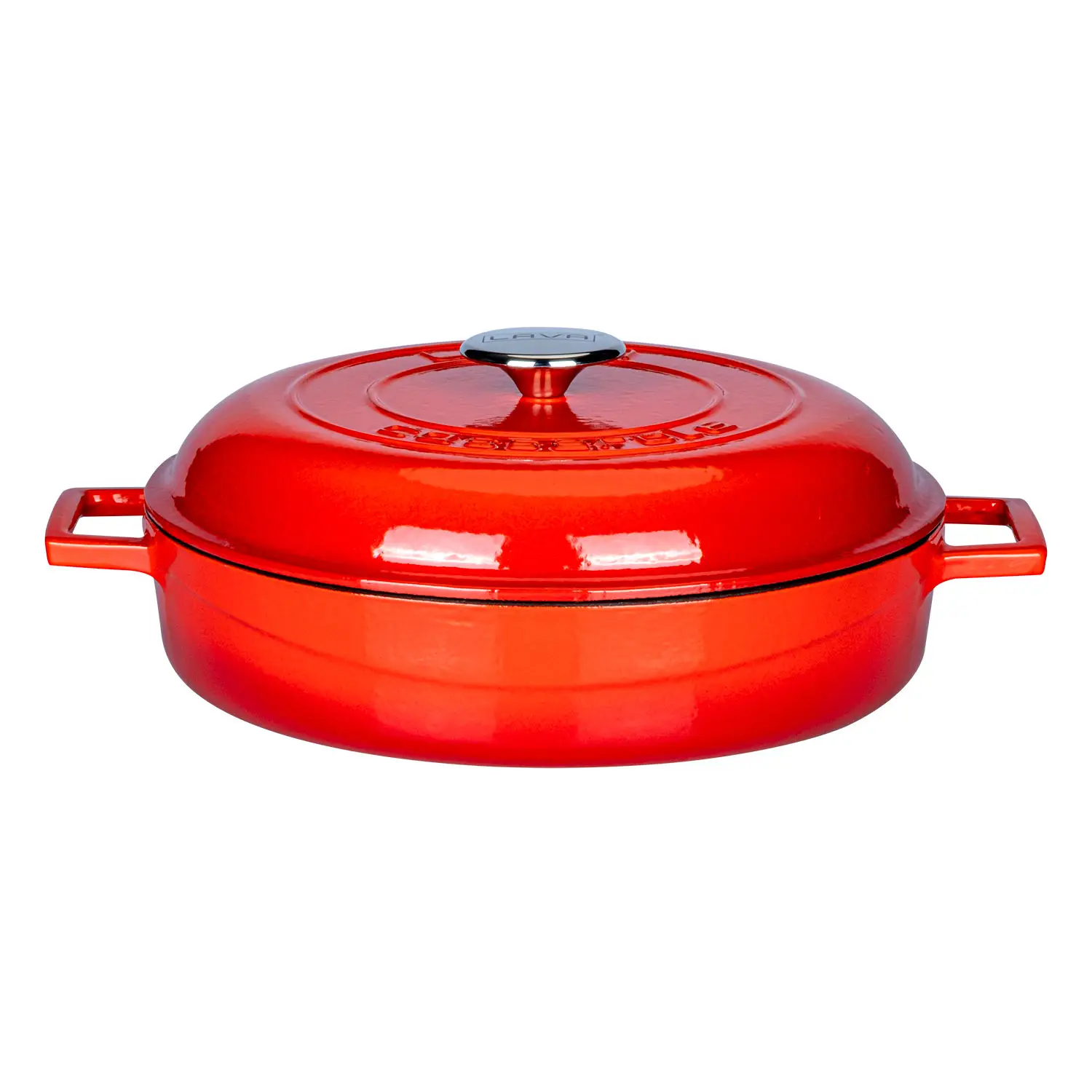
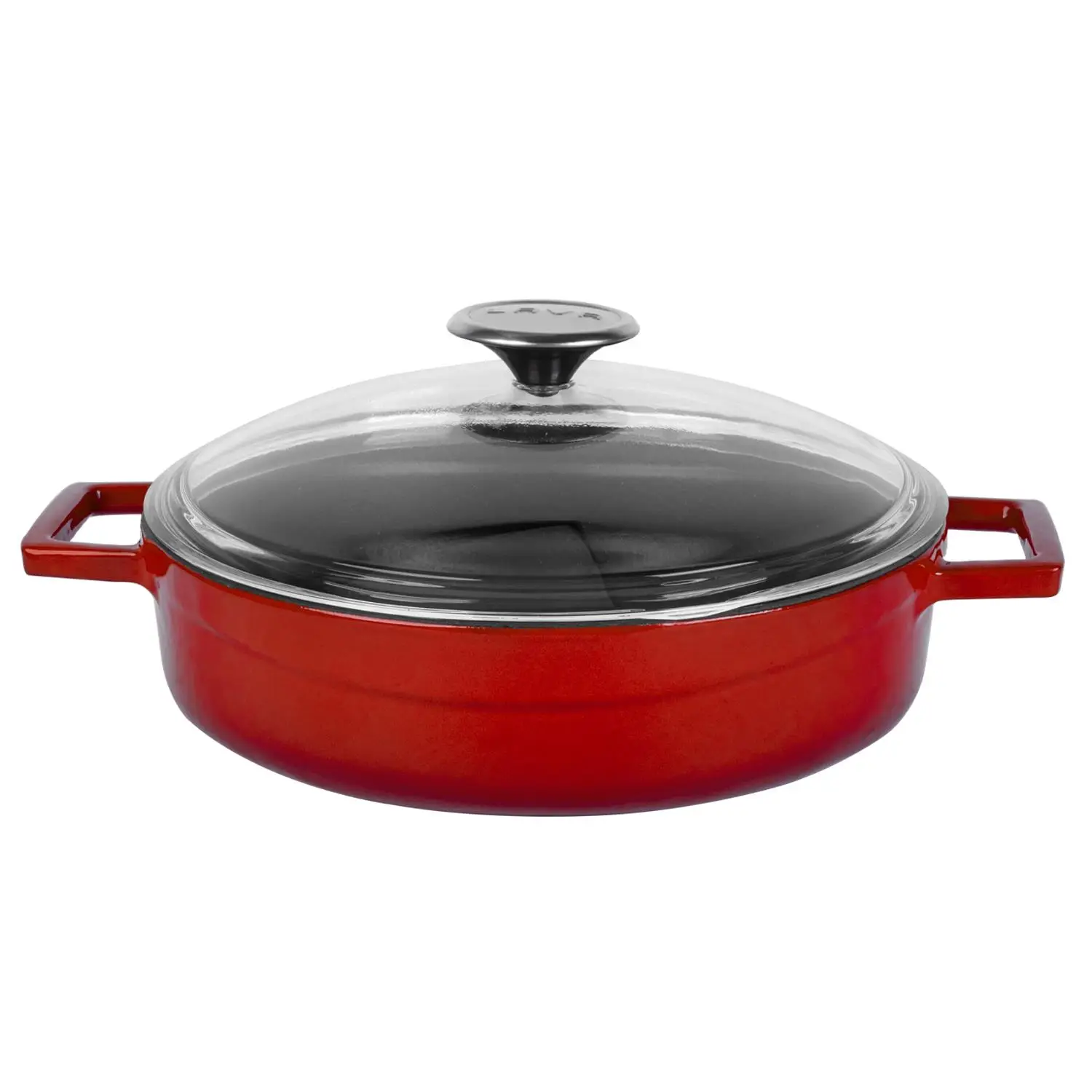
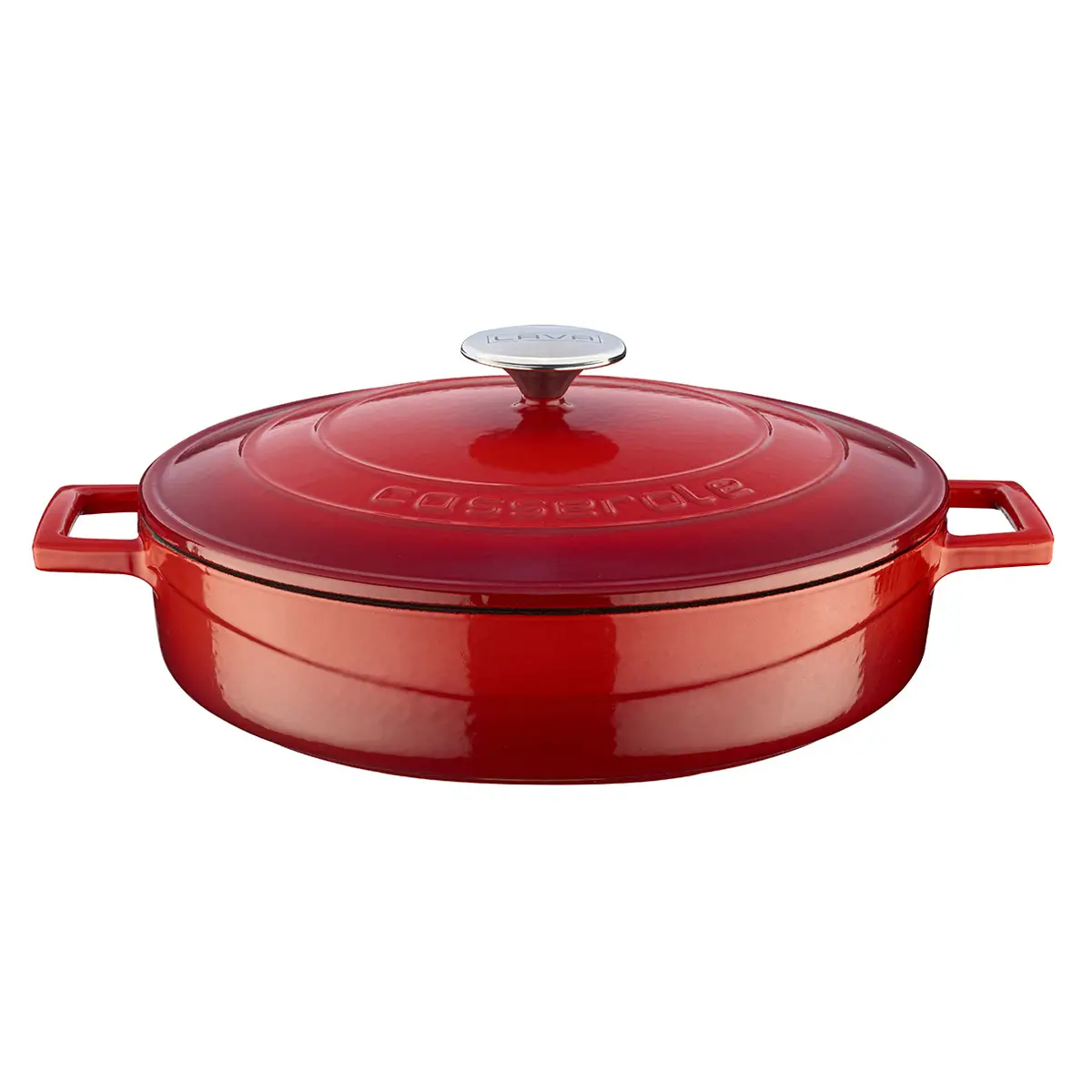
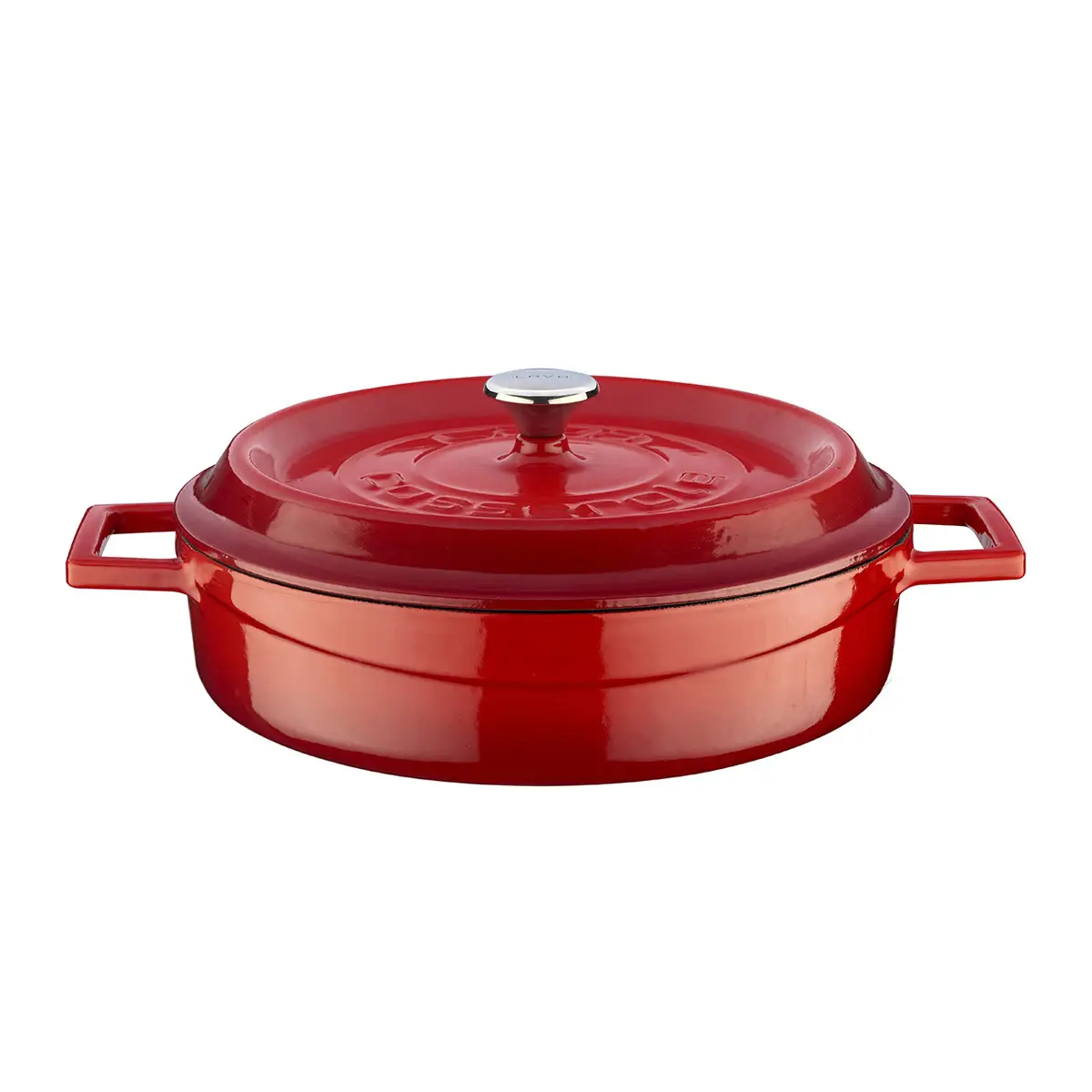
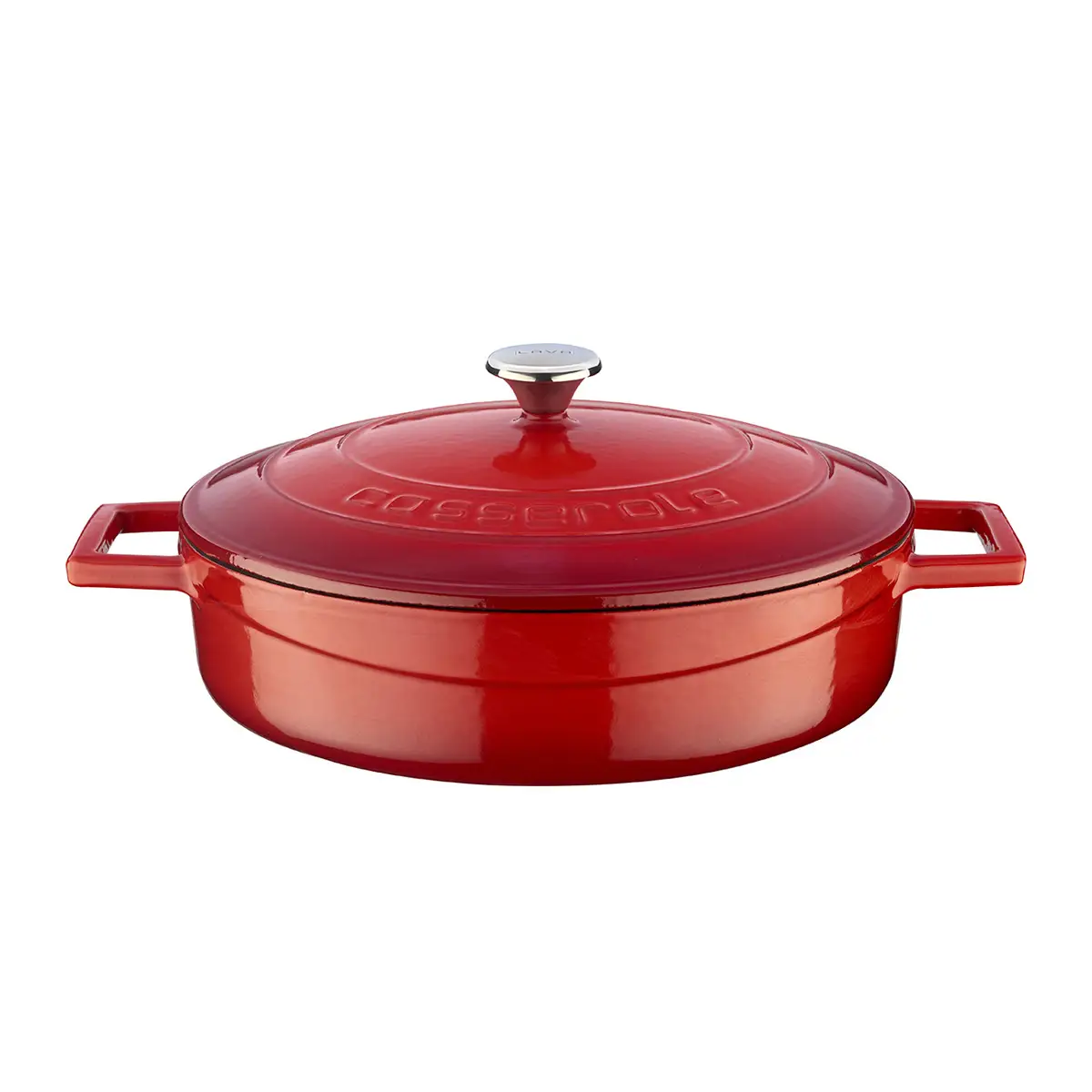
Enamel-coated cast-iron casseroles, in particular, are widely preferred in restaurants, hotels, and catering businesses thanks to their robust structure suitable for intensive use.
In professional kitchens, the culinary equipment decision-making process should never be based solely on the product's appearance. The following criteria must be evaluated collectively prior to purchase:
A good casserole must provide homogenous heat distribution from the base right up to the lid.
This feature helps achieve more balanced cooking results in:
Meat dishes,
Slow-cooked recipes,
Sauced dishes,
Vegetable dishes,
Stews.
Equipment that ensures controlled cooking rather than sudden temperature fluctuations also supports kitchen standardisation. For more information on the Importance of Temperature Control in Commercial Kitchens, you can visit our article titled ‘The Importance of Temperature Control in Casserole Cooking’.
In restaurants, food is not just cooked; it also needs to maintain its temperature until service.
High heat retention performance:
Preserves quality during service,
Can reduce the need for reheating,
Supports efficient energy use,
Contributes to the guest experience.
Consequently, products that can maintain warmth for long periods, rather than just heating up quickly, are far more advantageous in professional kitchens.
In busy restaurant kitchens, equipment is used dozens of times every day.
A high-quality casserole should be:
Resistant to scratches,
Capable of maintaining its performance at high temperatures,
Able to retain its shape for years,
Manufactured to withstand a continuous, fast-paced workflow.
Equipment that provides a long service life can also reduce the total cost of ownership.
Every restaurant’s production model is different.
Therefore, when choosing a casserole, the following must be assessed together:
Daily covers (number of services),
Menu variety,
Portion sizes,
Production volume.
Oversized products can cause unnecessary energy consumption, whilst small-capacity items can slow down production speed. Correct capacity selection is vital for operational efficiency.
In professional kitchens, casseroles are not used solely on the hob.
Many businesses actively utilise the same product:
On the hob,
In the oven,
In the prep area,
In open-plan kitchens,
During table service.
For this reason, products offering versatile use can significantly streamline operational processes.
Enamel-coated cast-iron casseroles combine the high thermal performance of traditional cast iron with the ease of use provided by an enamelled surface.
| Advantage | Professional Contribution |
| Balanced heat distribution | Standardised cooking results |
| High heat retention | Supports service quality |
| Durable structure | Suitable for intensive use |
| Versatile use | Can be used on the hob and in the oven |
| Elegant appearance | Enables presentation straight from the oven to the table |
| Easy-to-clean enamelled surface | Can simplify daily operations |
Many businesses focus purely on the initial purchase cost. However, making the following mistakes when choosing professional equipment can lead to higher costs in the long term.
Opting for the cheapest product
Failing to choose a capacity suited to the menu
Overlooking thermal performance
Disregarding the warranty and manufacturing quality
Failing to account for intensive-use scenarios
Selecting products without considering table service presentation
Equipment investment in professional kitchens must be evaluated through a perspective of long-term performance rather than short-term savings.
Although every restaurant’s needs differ, a successful commercial kitchen equipment guide should begin with the following questions:
How many portions are produced daily?
Are there slow-cooked dishes on the menu?
Is presentation done straight from the oven to the table?
How many times a day is the equipment used?
Is service quality among the business’s top priorities?
Is a long-lasting investment being targeted?
The answers provided to these questions will help determine the most suitable casserole model for restaurants.
Choosing the right casserole does not simply mean purchasing a piece of cooking equipment. In fact, this decision can directly impact:
Kitchen operations,
Energy consumption,
Equipment lifespan,
Service quality,
The guest experience,
Long-term investment value.
Therefore, when making equipment investments in professional kitchens, it is not just the initial cost that should be evaluated, but durability, operational efficiency, thermal performance, and long-term operational contributions combined. Enamel-coated cast-iron casseroles offer a powerful option for fast-paced restaurants, supporting both cooking performance and the quality of oven-to-table presentation. Click here for more information on Oven-to-Table Casserole Presentation.
The first aspect to evaluate is the business's production capacity and daily usage intensity. Following this, heat distribution, durability, and the areas of use should be assessed.
Yes. Thanks to their balanced heat distribution, high heat retention capacity, durable structure, and suitability for use from hob to oven, and oven to table, they are widely preferred in professional kitchens. Click here for more information.
No. Product capacity must be chosen in accordance with the restaurant's portion volume and production planning. Equipment that is larger than necessary can lead to inefficient energy consumption.
Yes. Enamel-coated cast-iron casserole models with elegant designs allow dishes to be served directly from the oven to the table, thereby enhancing the presentation experience.
High-quality equipment positively impacts the total cost of ownership by providing a longer lifespan, more consistent cooking results, low maintenance requirements, and operational efficiency.
Choosing the right casserole for your professional kitchen affects not only your day-to-day operations but also your long-term efficiency. By exploring LAVA's enamel-coated cast-iron casserole collection, you can discover durable, high-performance solutions tailored to your restaurant.
09.07.2026







Lava Metal Döküm San. ve Tic. A.Ş. © 2026 All Rights Reserved.

0
)