×

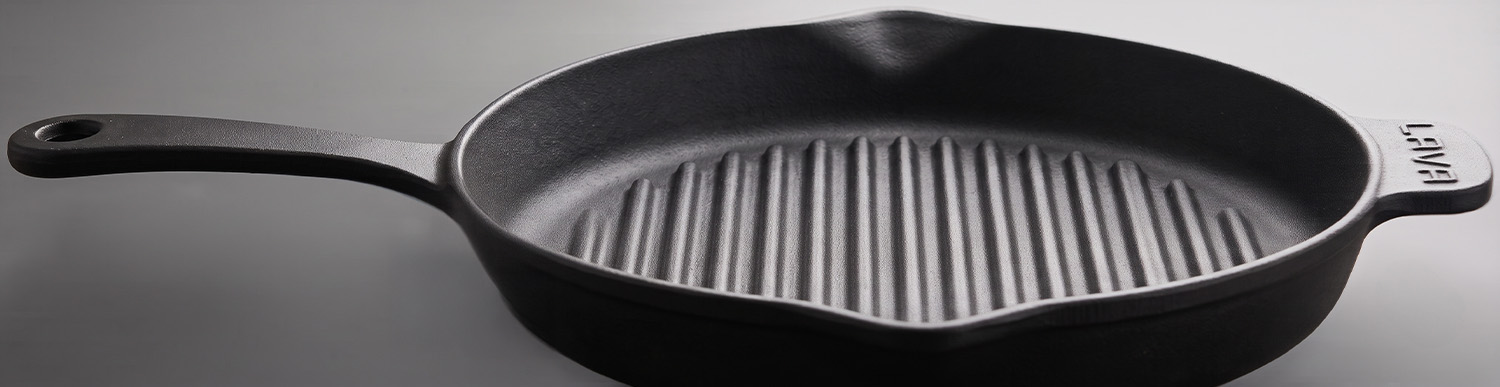
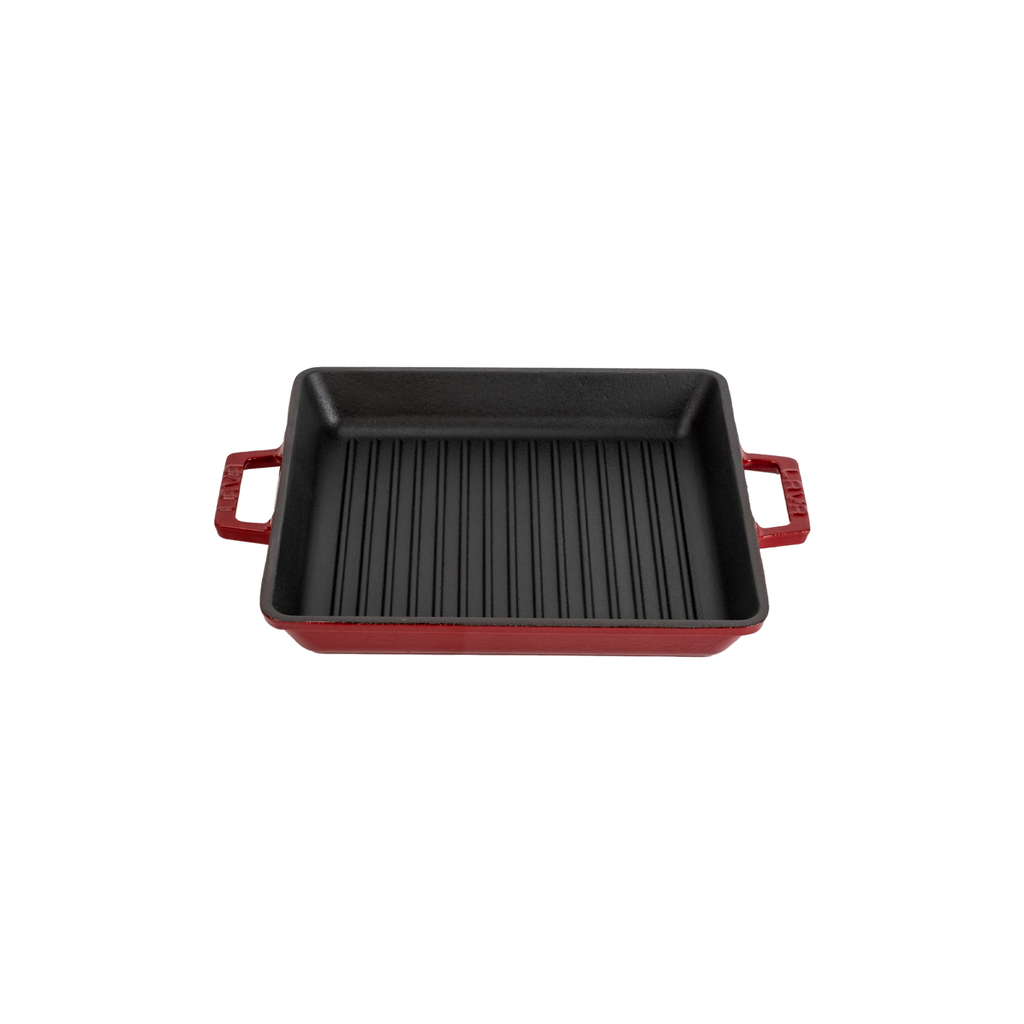
Enamel coating technology is much more than a decorative finish for cast iron cookware. It is a key manufacturing process that enhances durability, hygiene, ease of use, and long-term performance while preserving the excellent heat retention and even heat distribution of cast iron. Modern enamel surface technology reduces maintenance requirements and supports reliable cooking across a wide range of applications. In this article, we explore how enamel coating technology works, why it is important for professional kitchens, and the characteristics that define a high-quality enamel surface.
Reading Time: 8–10 Minutes
Cast iron cookware has long been recognized as one of the most reliable choices for both home and professional kitchens. Today, however, the overall performance of cast iron products depends not only on the cookware itself but also on the surface technology applied during manufacturing.
Modern enamel coating technology plays a significant role in improving durability, simplifying maintenance, and supporting the operational demands of professional kitchens. It also contributes to product longevity, hygiene, and an attractive appearance.
For this reason, evaluating the quality of cast iron cookware means considering not only the cast iron body but also the enamel coating technology behind it.
Enamel coating technology is the process of applying a specialized glass-based coating to the surface of cast iron and firing it at high temperatures. During this process, the enamel layer bonds with the cast iron body to create a durable and integrated surface.
The purpose of this technology extends beyond aesthetics. It is designed to improve surface durability, enhance usability, and support long-term product performance.
Modern enamel coating technology aims to:
preserve the natural characteristics of cast iron,
strengthen surface integrity,
create a hygienic cooking surface,
provide reliable performance for years of use.
As a result, enamel coating has become one of the defining manufacturing technologies behind premium cast iron cookware.
One of cast iron's most valued characteristics is its exceptional heat retention. Enamel coating technology preserves this natural advantage while making cookware easier to use in everyday cooking.
Because heat is distributed evenly across the cooking surface, users can achieve more consistent results when preparing dishes such as:
seared meats,
slow-cooked meals,
artisan bread,
vegetable dishes,
sauces.
Maintaining excellent heat performance may also contribute to greater energy efficiency, as cast iron retains heat for extended periods and supports more stable cooking temperatures.
Restaurants, hotels, and catering businesses require cookware that delivers consistent performance while withstanding intensive daily use.
For this reason, enamel coating technology plays an important role in professional cast iron cookware.
Its key advantages include:
helping simplify maintenance,
eliminating the need for seasoning before use,
supporting efficient transitions between different recipes,
enabling seamless oven-to-table functionality,
maintaining an attractive appearance over time.
These benefits can contribute to greater operational efficiency in busy commercial kitchens.
Not all enamel coatings are manufactured to the same standards. The quality of raw materials, production methods, and quality control processes all influence long-term product performance.
A high-quality enamel surface is typically characterized by:
strong surface integrity,
consistent coating thickness,
resistance to high cooking temperatures,
long-lasting color stability,
reliable durability,
easy-to-clean surfaces.
These characteristics form the foundation of dependable cookware for both professional chefs and home cooks.
Modern cookware is expected to deliver more than cooking performance alone. Attractive presentation has become an essential part of the dining experience.
Enamel surface technology allows cast iron cookware to combine functional performance with refined aesthetics through vibrant colors and durable finishes.
As a result, a single piece of cookware can move seamlessly through every stage of meal preparation:
food preparation,
cooking,
serving.
This versatility makes enamel-coated cast iron especially valuable for restaurants as well as premium home kitchens.
LAVA develops cast iron cookware by combining the natural performance of cast iron with modern enamel coating technology.
The enamel coating process is designed to support:
even heat distribution,
excellent heat retention,
long-term durability,
easy maintenance,
timeless aesthetics.
This manufacturing approach enables LAVA to provide reliable cooking solutions for both home kitchens and professional culinary environments.
Enamel coating technology has become one of the defining manufacturing innovations behind modern cast iron cookware. Rather than serving solely as a protective finish, it contributes to durability, hygiene, ease of maintenance, and overall cooking performance.
A high-quality enamel coating preserves the natural strengths of cast iron while meeting the expectations of today's kitchens. For anyone evaluating premium cast iron cookware, understanding the technology behind the enamel surface is just as important as considering the cookware's design and appearance.
Not exactly. Enamel coating refers to the finished surface, while enamel coating technology encompasses the manufacturing methods, production processes, and quality standards used to create that surface.
Yes. A well-engineered enamel coating supports the natural heat performance of cast iron while improving durability, ease of maintenance, and everyday usability.
Professional kitchens value enamel-coated cast iron for its durability, simplified maintenance, even heat distribution, and versatility from stovetop to oven and table service.
Key indicators include excellent surface integrity, consistent coating thickness, high-temperature resistance, color stability, and manufacturing quality.
When produced using high manufacturing standards and used according to the manufacturer's recommendations, a quality enamel coating can help support long-term product performance and durability.
24.07.2026







Lava Metal Döküm San. ve Tic. A.Ş. © 2026 All Rights Reserved.

0
)