×

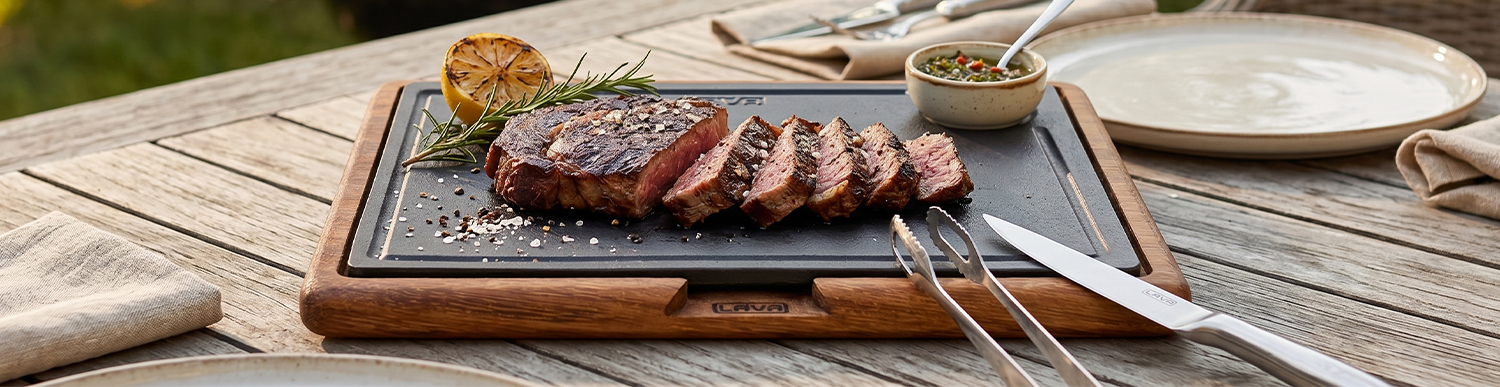
To enhance grilled and barbecue presentations at summer dining tables, cooking, preparation, and serving areas should be planned together. Enamel-coated cast iron grill pans, skillets, and serving platters help maintain the serving temperature of hot food for longer. Pre-chilled cast iron products can also help support the freshness of cold items such as salads, appetisers, and dips. Wooden stands, sharing platters, and a well-structured serving sequence create a more functional and aesthetically refined table for garden parties, terrace gatherings, and professional outdoor dining setups.
Reading Time
7–8 minutes
In summer dining, grilled and barbecue presentation is not only about how the food looks. Proper cooking and serving equipment helps hot dishes stay warm for longer, supports the freshness of cold sides, and ensures a smoother serving flow at the table. In this content, you can explore detailed presentation ideas for summer dining from start to finish.
At garden parties, terrace gatherings, summer homes, or restaurant outdoor dining areas, a “cook-and-serve” approach offers a significant advantage. Enamel-coated cast iron grill pans, sauté dishes, serving platters, and wooden stand products allow a seamless transition from cooking area to table while creating a stronger presentation identity.
LAVA’s enamel-coated cast iron products help retain heat evenly thanks to their structure, supporting hot dishes in maintaining an ideal serving temperature for longer. Pre-chilled cast iron serving items can also help preserve the freshness of salads, appetisers, fruits, and cold sauces.
One of the most common issues in barbecue dining is that although food is ready at the same time, it is not served in the correct order or at the right temperature. Meat may cool while waiting, vegetables may soften, sauces may lose structure, and the table can quickly become disorganised.
For this reason, a well-planned barbecue presentation should be structured into three areas:
This separation ensures smoother operations in both home and professional service environments. In larger summer gatherings, transferring items directly from cooking to servingware improves speed and maintains visual consistency.
Meat, chicken, fish, halloumi, and vegetables cooked on a cast iron grill pan can be transferred directly to the table using a stand or trivet. This method not only helps maintain temperature but also creates a stronger visual presentation.
For smaller group gatherings, shared serving cast iron grill pans can be used instead of individual portions. This approach brings a restaurant-style hot pan presentation into home, terrace, or garden environments.
Meatballs, sausages, chicken wings, mushrooms, or caramelised vegetables served in cast iron skillets can help retain heat for longer. These dishes are especially practical for shared serving at the centre of the table.
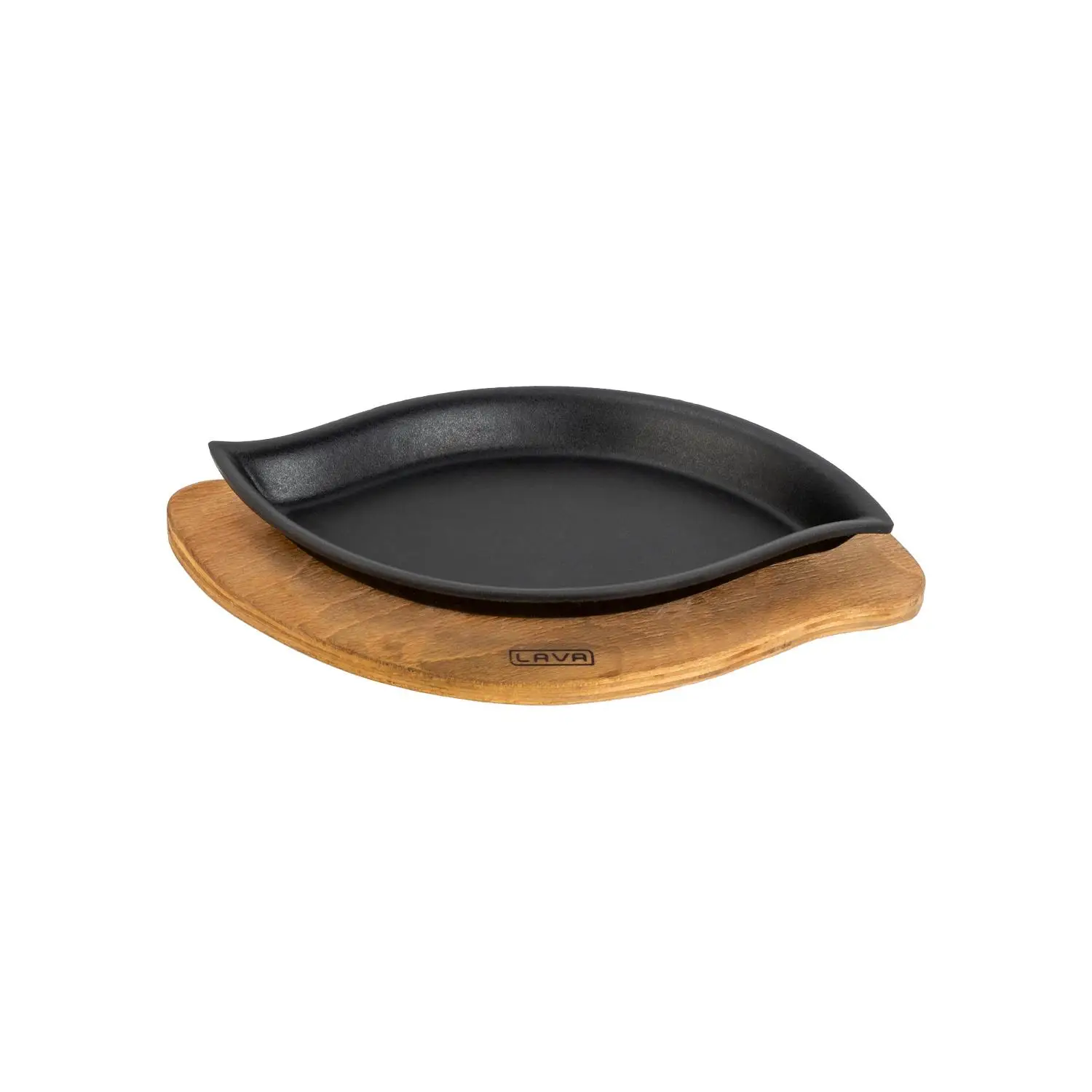
When used with wooden stands, skillets create a balance between the strong visual identity of cast iron and the natural texture of wood.
Wide serving platters can be used for grilled vegetables, fish, seafood, cheese varieties, and appetisers. Cast iron serving platters are not only functional carriers but also design elements that form the centre of the table presentation.
For fish and seafood, simple accompaniments such as lemon, fresh herbs, capers, rocket, and olive oil should be preferred. A minimal approach highlights the natural colour and texture of the ingredients, creating a more premium presentation.
Letting meat, chicken, or burgers rest briefly before serving helps maintain juiciness and improves texture. The rested meat can then be transferred to hot cast iron sauté dishes or serving pans.
Grouping grilled vegetables by colour creates a stronger visual impact. For example:
This structure looks more professional, especially on large serving platters.
If hot meat or chicken is served alongside yoghurt-based dips, salads, or cold sauces, they should be placed in separate containers and serving zones. This helps maintain temperature balance and improves serving flow.
The strong and timeless surface of cast iron can be balanced with wooden stands, linen napkins, natural-toned tablecloths, and fresh herbs. This combination creates a refined yet rustic summer dining atmosphere.
Instead of serving all dishes at once, a structured flow works better:
| Serving Type | Example Products | Serving Equipment |
|---|---|---|
| Hot main dishes | Meat, burgers, chicken, fish | Cast iron sauté dishes, grill pans, fajita platters |
| Hot sides | Mushrooms, corn, grilled vegetables | Wooden stand cast iron products |
| Cold sides | Yoghurt dips, salads, cold sauces | Pre-chilled cast iron containers |
| Sharing platters | Cheese, bread, fruit | Large serving platters |
| Desserts | Fruit desserts, warm cakes | Small cast iron dishes or baking moulds |
Cast iron is often associated with hot serving, but it can also be used for cold presentations. When briefly chilled, cast iron containers help maintain the freshness of yoghurt-based dips, fruit platters, cold sauces, and salads.
Meat and vegetables cooked on a large barbecue can be transferred to cast iron sauté dishes and serving platters for shared table presentation. This is ideal for weekend family gatherings.
For smaller groups, chicken, halloumi, mushrooms, or vegetables cooked on a grill pan can be served in small sauté dishes. Wooden stands, candles, and linen details create a more inviting atmosphere.
Multiple serving zones can be created depending on temperature requirements. Hot items are served in cast iron products, while salads, appetisers, and drinks are placed in a separate cold serving area.
In professional kitchens, cook-and-serve systems improve both operational efficiency and table presentation. Cast iron sauté dishes, serving pans, hot plates, and specially shaped servingware enhance the dining experience in restaurants, hotels, and catering services.
Grilled and barbecue presentation is not just a decorative element of summer dining. The right equipment enhances serving quality, supports temperature control, and elevates the overall dining experience.
LAVA’s enamel-coated cast iron grill pans, sauté dishes, serving platters, wooden stands, and outdoor products provide integrated solutions that combine cooking and serving across gardens, balconies, terraces, restaurants, and hotel outdoor spaces.
In summer dining, it is not only what you cook that matters — but how you serve it.
After resting briefly, meat can be served in cast iron skillets or serving platters, which help retain heat for longer periods.
Yes. When pre-chilled, cast iron containers can help maintain the freshness of salads, dips, fruits, and cold appetisers.
Group vegetables by colour and type, and complement them with lemon, herbs, and simple sauces on wide serving platters.
Yes, when used with a wooden stand or trivet, it can be safely placed directly on the table.
Large serving platters, cast iron sauté dishes, wooden stands, grill pans for hot dishes, and separate containers for cold sides are recommended.
Cast iron servingware helps retain heat, supports cook-and-serve flow, enhances presentation quality, and improves operational efficiency.
To combine cooking and serving in a single experience this summer, explore LAVA’s grill pans, skillets, serving products, wooden stands, and outdoor solutions.
25.06.2026







Lava Metal Döküm San. ve Tic. A.Ş. © 2026 All Rights Reserved.

0
)